
Magical foods for a healthier gut.


Want to learn more about how you can improve your gut health? These are the best fermented foods to introduce friendly bacteria to your digestive system and promote a balanced gut microbiome.
In recent years, gut health has taken the wellness world by storm. With more and more commercials, influencers, and health experts touting the importance of gut health, it makes you wonder if this “new craze” has any real substance behind it. Hint: It does!
While capitalizing on gut health may be a thing of novelty, the practice of fermenting foods, a process known today to be incredibly beneficial for our gut, has been around since ancient times.
From kimchi in Korea to sauerkraut in Germany, fermentation is an age-old process that has benefitted humans by preserving food, enhancing flavor, and keeping our gut healthy.
But what exactly is fermentation, and how does it benefit the gut? We’ll explore this and introduce some of the most popular fermented foods you can add to your diet for a healthier gut.

What is Fermentation?

Fermentation is a natural biological process where microorganisms, such as bacteria or yeast, convert carbohydrates into acids, gases, or alcohol without using oxygen.
For example, pickles are created by fermenting cucumbers in a brine solution, a process that transforms their natural sugars into probiotic bacteria. This not only gives pickles their distinct tangy flavor but also extends their shelf life and does wonders for your gut microbiome.
Why Are Probiotics Important?
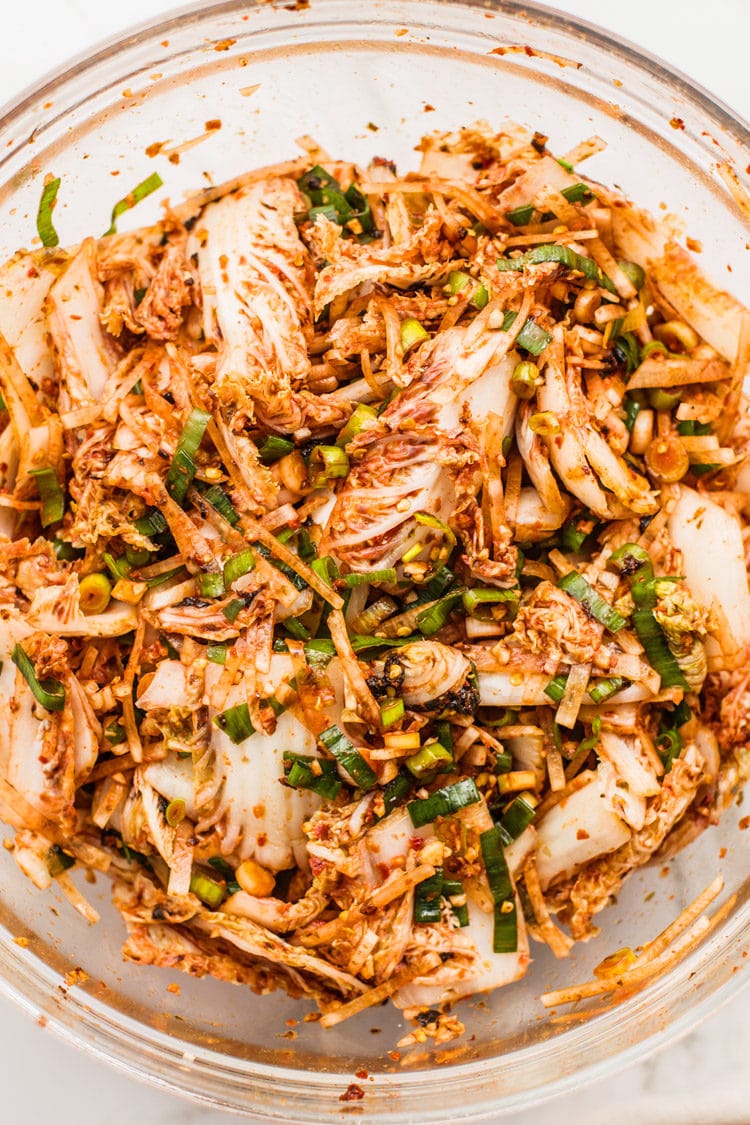
Probiotics are live microorganisms that provide remarkable benefits for our gastrointestinal health. Fermented foods are rich in many beneficial probiotics and probiotic strains that support a healthy, balanced gut microbiome.
Your gut microbiome affects your entire body, from your digestive system to your immune system, so when you eat fermented foods, you’re essentially nourishing and supporting the good bacteria in your gut.
Based on research from Stanford University, some key health benefits of probiotics include:
- Improved digestion: Probiotics can help the digestive tract break down food, allowing for better absorption of nutrients.
- Stronger immune system: Eating probiotic-rich foods can boost the immune system, reduce inflammation, and fight off harmful bacteria.
- Boost mood: Some studies have shown that probiotics can improve mental health and cognitive functions by influencing the gut-brain connection.
- Lower risk of chronic diseases: A healthy gut microbiome has been linked to a lower risk of chronic diseases such as obesity, diabetes, heart disease, and skin issues.
10 Fermented Foods High in Probiotics

There are many different types of fermented foods out there. From dairy products to vegetables, here are 10 of the most popular fermented foods packed with probiotics:
1. Greek Yogurt

Greek yogurt is a fermented milk product that is high in protein, calcium, and fatty acids. It contains active cultures that break down lactose and produce lactic acid bacteria. Greek yogurt is considered one of the healthiest dairy foods out there, next to cottage cheese, which is another excellent fermented food. We like to use Greek yogurt to make this Skinny Peanut Butter Yogurt Dip as a healthy snack option!
2. Kefir
This tangy drink is a probiotic powerhouse that comes from kefir grains. These grains combine yeast and bacteria to ferment milk and create a drink that is high in probiotics, protein, and calcium. Kefir contains more strains of beneficial bacteria than yogurt, making it an excellent option for gut health.
Check out: Kefir: The Ancient Antidote for Better Digestion, Weight Loss and Overall Health
3. Kimchi
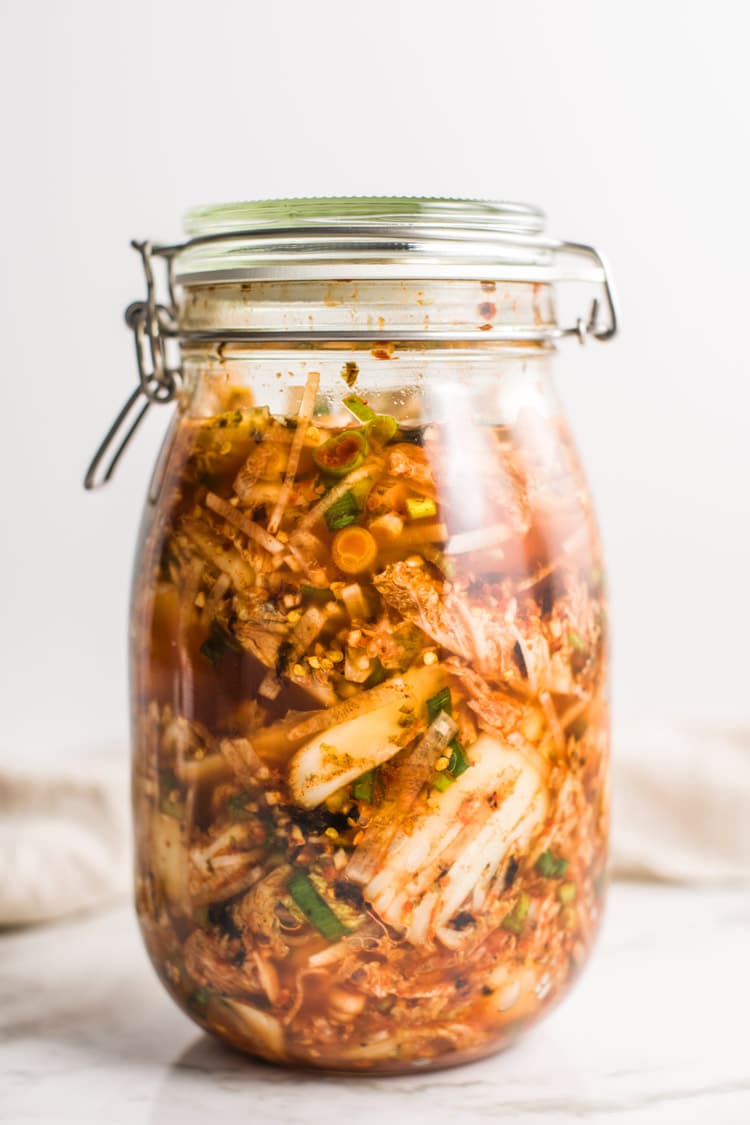
Kimchi is essentially Korean pickled vegetables that are packed with probiotics, vitamins, and minerals. The most common vegetable used to make kimchi is cabbage, but it can also include other vegetables such as radishes or cucumbers. It has a spicy and tangy flavor, making it a popular side dish in Korean cuisine. Learn How to Make Kimchi – An Easy Step By Step Guide with our easy recipe!
4. Natto
Natto is a traditional Japanese food made from fermented soybeans. The soybeans are fermented with a live bacteria called bacillus subtilis, which gives natto its distinct flavor and texture. Natto is a great source of probiotics and vitamin K2, which is essential for bone health. It is often eaten as a breakfast mixed with rice and topped with a raw egg.
5. Kombucha
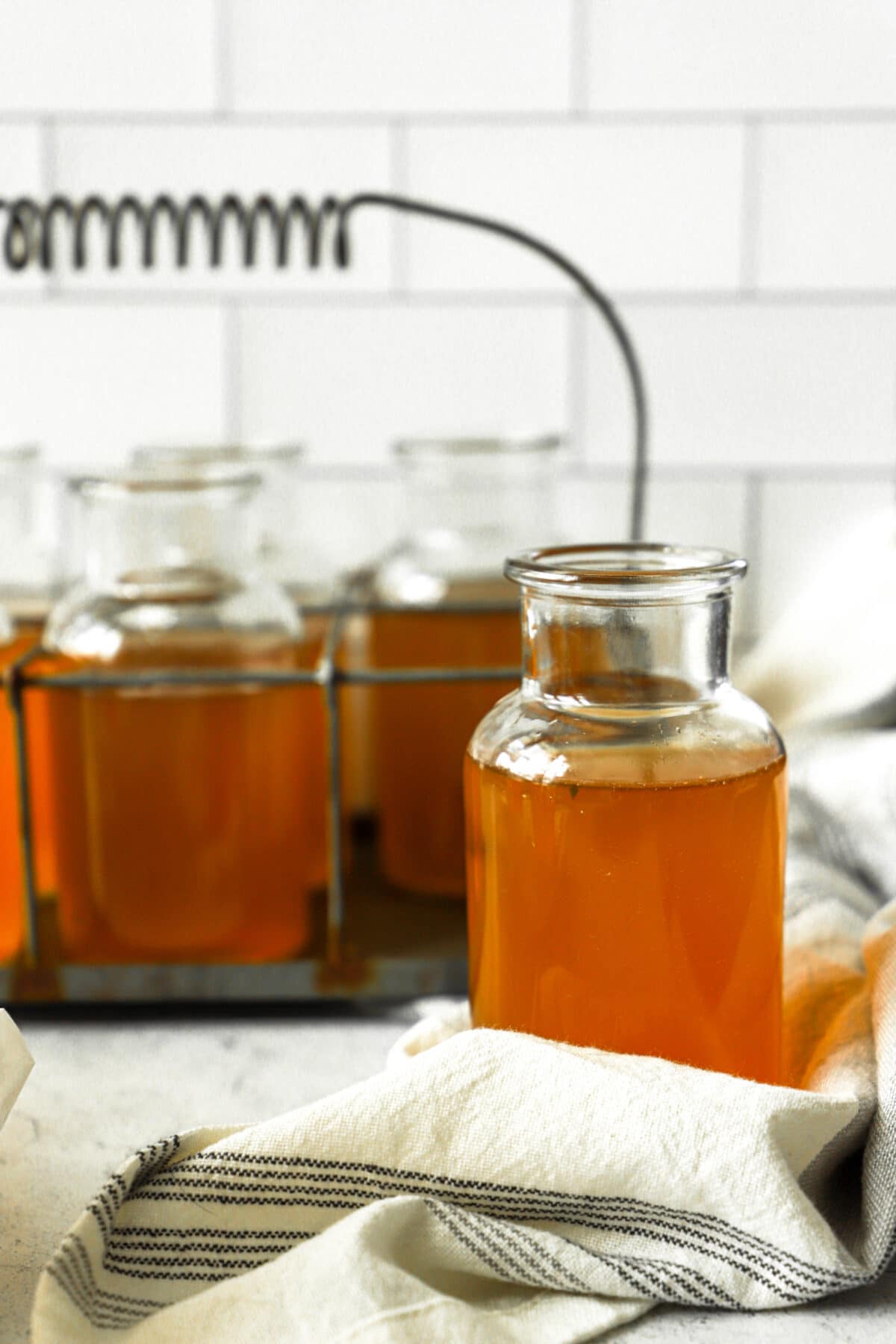
This fizzy drink is swimming with probiotics. To make it, black tea is fermented with a starter culture of yeast and bacteria, also called a SCOBY (symbiotic culture of bacteria and yeast). The result is a slightly sour, tangy drink that comes in various flavors.
Kombucha contains lots of antioxidants, and while it’s an acquired taste for some, it has been a very popular health drink for many years now.
Learn How to Brew Kombucha at Home with our easy-to-follow guide!
6. Tempeh

Another fermented soy product, tempeh is made by binding soybeans into a cake-like form and allowing them to ferment. This process creates a meaty texture and slightly nutty flavor. Tempeh is an excellent source of probiotics, protein, and iron, making it a popular vegetarian and vegan option. It is often used as a meat substitute in dishes such as stir-fries, sandwiches, and salads.
Try: Maple Glazed Tempeh with Quinoa and Kale
7. Sauerkraut
Sauerkraut is basically sour cabbage made by fermenting shredded cabbage with salt. It is a staple in German cuisine and rich in vitamin C and vitamin K, as well as beneficial bacteria. You can use it as a topping for hot dogs or sausages, but it can also be added to salads or eaten as a side dish.
8. Pickles

All you need are a few cucumbers to make jars of pickles, which is a great way to increase the probiotic content in your diet. Pickling cucumbers with salt and vinegar is an excellent way to preserve them. The fermentation process adds beneficial bacteria, providing your gut with a healthy dose of probiotics. You can use pickles in sandwiches, salads, or enjoy them as a tasty appetizer in these Oven-Fried Pickles!
9. Miso

Another Japanese staple, miso is a fermented paste created by fermenting soybeans with salt and koji (a type of fungus). Popular miso dishes include miso soup and miso-glazed fish. Miso is rich in essential vitamins and minerals and contains beneficial probiotics. Try our Orange Miso Wild Cod Recipe for a flavorful and healthy meal option.
10. Fermented Mustard Greens (Gai Choy)
Fermented mustard greens, or Gai Choy, is a traditional Chinese dish made by pickling mustard greens with salt and spices. The fermentation process adds probiotics to the greens, making them even more nutritious. You can use fermented mustard greens in stir-fries or serve them as a side dish.
Tips for Incorporating Probiotic Foods into Your Diet

- When choosing store-bought fermented foods, always look for products that state “contains live probiotics” on the label. This indicates that the food has not been pasteurized, which can kill off beneficial bacteria.
- When making fermented foods at home, be sure to use high-quality ingredients and follow proper safety guidelines to avoid harmful bacteria growth.
- Aim to include fermented foods into your diet at least once a day to maintain a healthy gut microbiome.
- If you have digestive issues, start with small amounts of fermented foods and gradually increase your intake to avoid discomfort.
- Creativity is key when incorporating fermented foods into your meals! Experiment with different flavors and combinations to find what works best for you.
Nourish Your Body from the Inside Out

Incorporating probiotics into my daily routine has been transformative! I enjoy Greek yogurt with breakfast and have a cup of kombucha as an afternoon pick-me-up. I also love adding a scoop of kimchi to my meals to elevate the flavor, all while enhancing my gut health.
If you’ve been interested in improving your gut health, fermented foods are where it’s at! I encourage everyone to try these delicious options for a happier, healthier microbiome. By embracing the goodness of fermented foods, we can nourish our bodies from the inside out!
Loving our content? Be sure to follow us on Facebook and Pinterest so you never miss out on the latest fitness tips, recipes, and more!


